Give me 60 seconds, and I'll prove that:
You have 10x more discipline than you think. You just don't know how to use it. YET!
I Hate Hard-Core Discipline. Yet I Still Built a $1M Business, Lost 64 lbs, and Learned a Foreign Language.
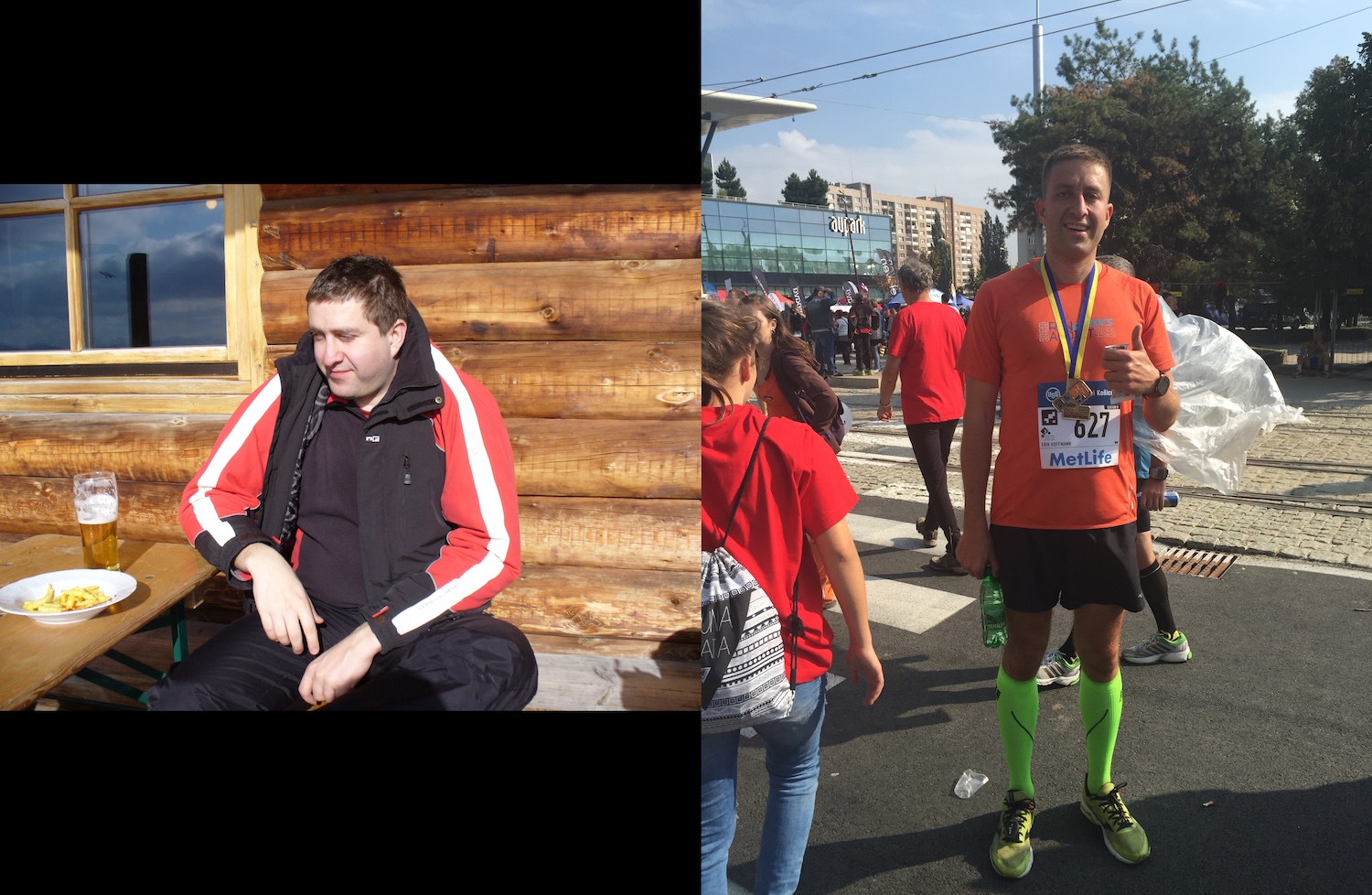
From fat to my first marathon:
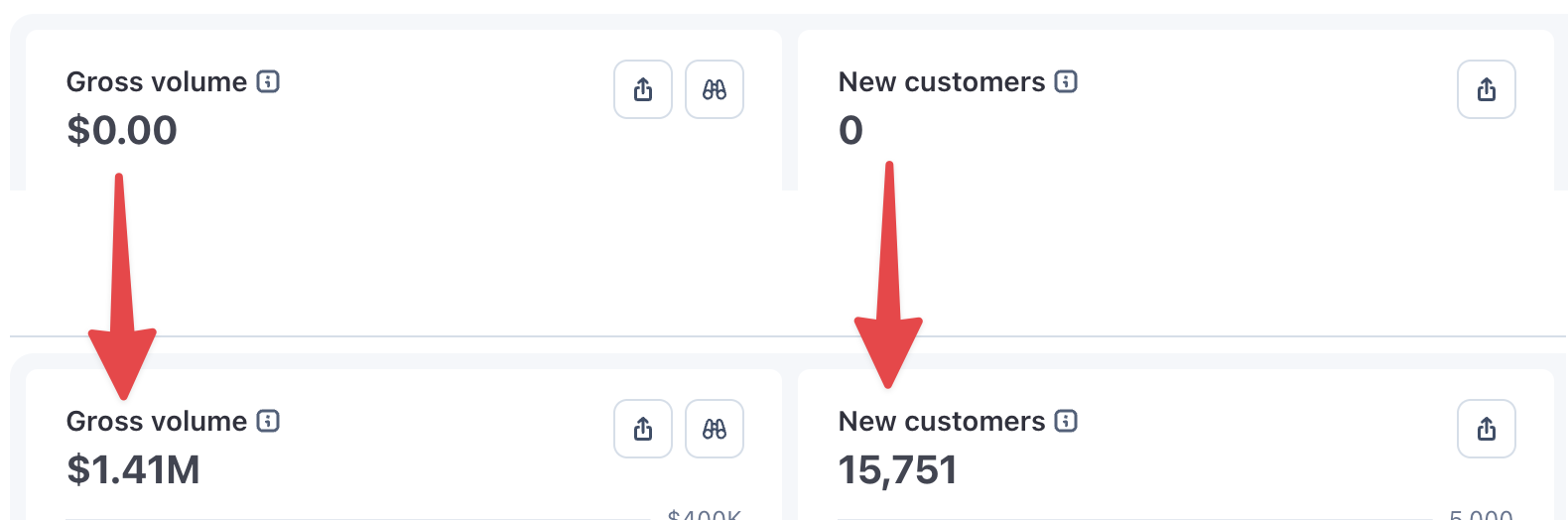
From $0 to $1.41m in my business:
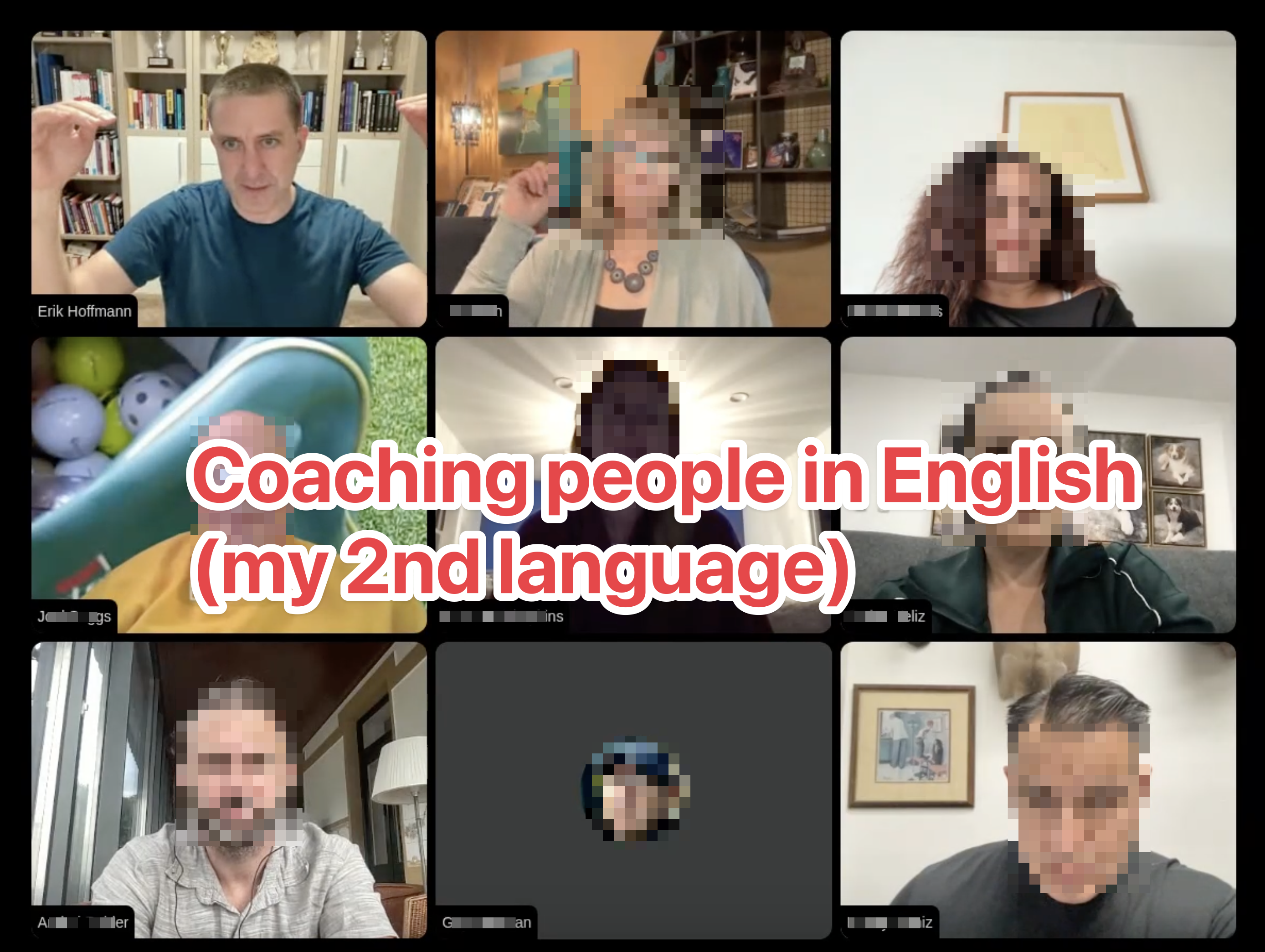
From Silent to Fluent in my 2nd language (English):
Results Disclaimer: The results shown are not typical or guaranteed. Individual results will vary depending on your circumstances, starting point, consistency, and how you apply the strategies. Your results may be different.
Not through willpower or forcing myself, but by flipping discipline on its head.
Here’s the proof that you have 10x more discipline than you think…
Think of something you LOVE doing.
A hobby. Cooking a meal you love. Painting. Playing a sport. Building something with your hands.
How much discipline does that take?
Basically none. You don't need a countdown, a reminder, or a pep talk. You just do it.
Now think of something you keep putting off.
Eating healthy. Learning a foreign language. Working out. Writing that thing you know you should be doing.
How much discipline does THAT take?
A lot.
Same brain. Same willpower. Wildly different amount of discipline needed.
So it's NEVER BEEN a discipline problem.
Your Brain Has One Rule About Discipline. And It’s Not PUSH.
Your brain naturally moves toward things it enjoys and away from things it doesn't.
When you enjoy a process, your brain wants to stay in it. You can spend hours doing it without needing discipline, reminders, or willpower.
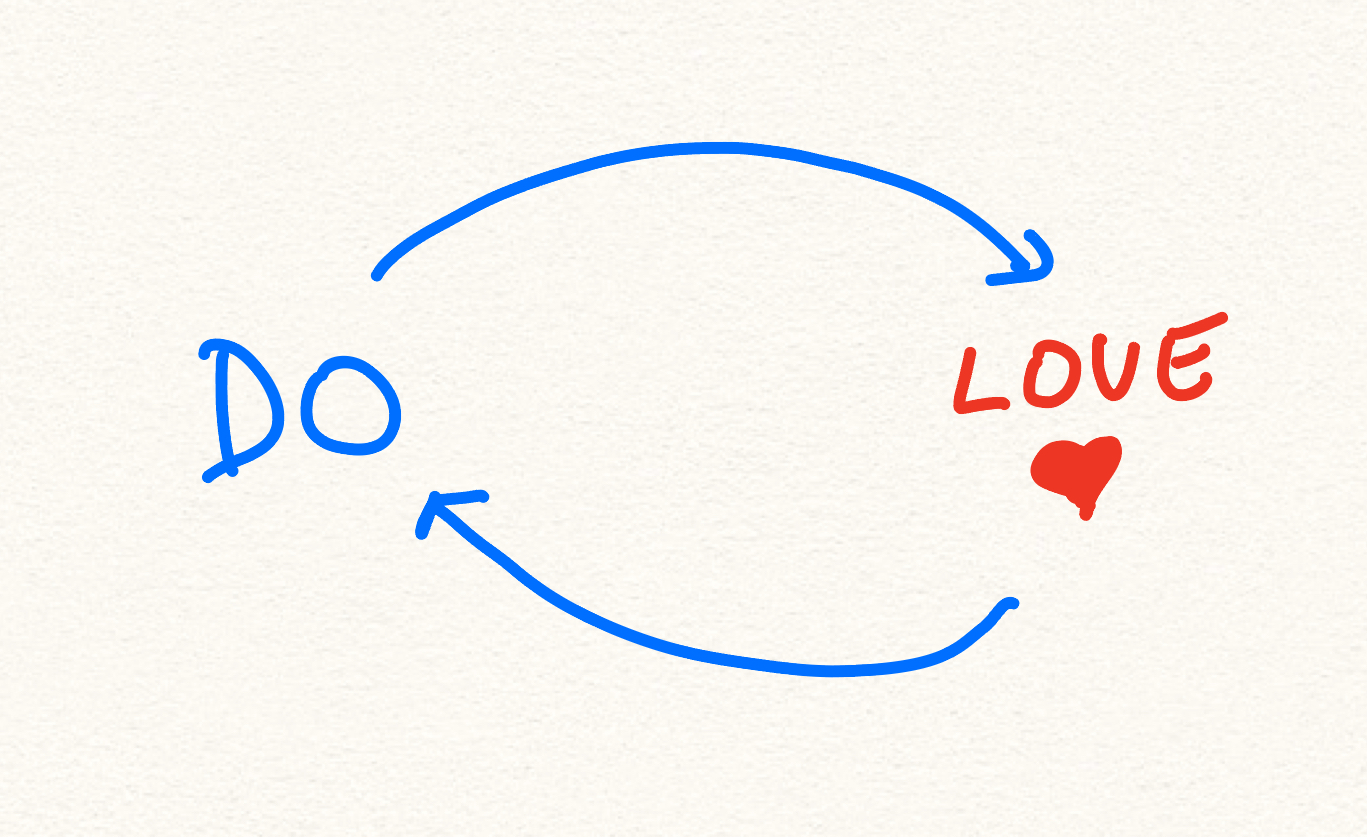
But when you don't enjoy the process, your brain starts looking for a way out.
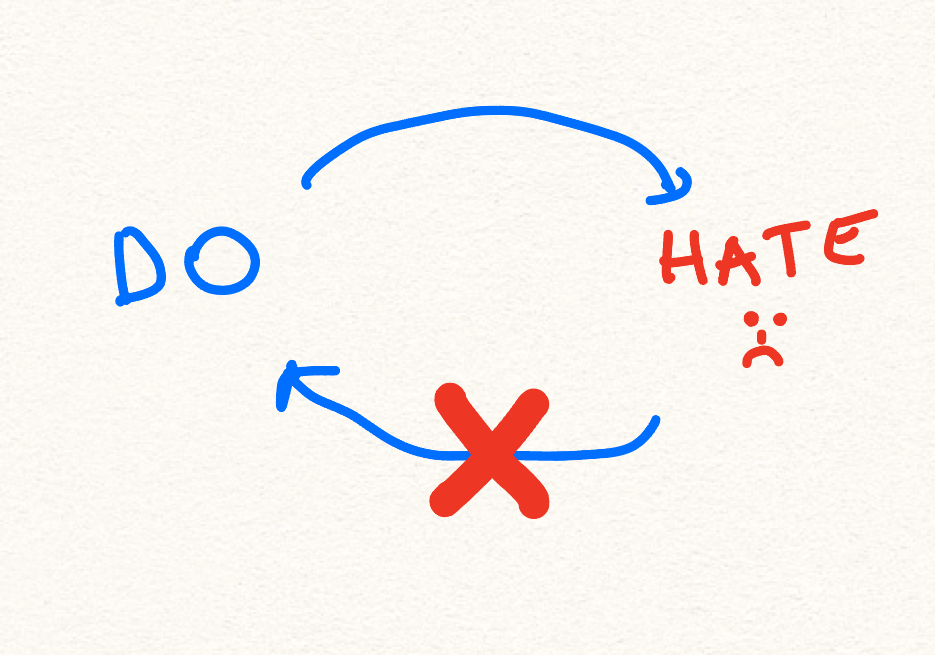
That's when you procrastinate. You delay it. You suddenly find a hundred other things you'd rather do.
The #1 Discipline Mistake People Make
Instead of making the process more enjoyable, they try to force themselves through it with discipline.
But if your brain already wants to escape, pushing harder doesn't make it want to stay.
It teaches your brain to resist even more.
So you need more discipline tomorrow.
And even more the day after.
The answer isn't to become better at forcing yourself.
The answer is to make the process so much fun that your brain doesn’t just want to come back to it. It doesn’t want to stop.
Make Discipline So Much Fun You Won’t Want to Stop
Step 1: Make Discipline Fun
Learn how to find something you genuinely enjoy in the process, so your brain actually wants to do it.
Instead of forcing yourself through something you hate, you'll learn how to turn the process into something you look forward to.
The goal: Go from “I have to do this” to “I can’t wait to do this.”
Step 2: Remove Friction
Learn how to identify and eliminate the things that make the process frustrating, overwhelming, or boring.
You'll learn how to remove unnecessary friction, especially perfectionism and the pressure to get a perfect result, so you can stay focused on enjoying the process.
The goal: Go from “I’m forcing myself through this” to “This feels easy and enjoyable.”
Step 3: Add a Micro Challenge
Learn how to find the sweet spot between boring and painful by giving yourself the right challenge.
Just like in a video game, the levels you've already beaten are too boring, while the levels that are too difficult are too painful.
The sweet spot is the next level: challenging enough to keep you engaged, but not so difficult that it becomes frustrating.
You'll learn how to find that sweet spot and create micro challenges that keep your brain engaged, give you a sense of progress, and make you want to keep playing.
The goal: Go from “This is boring” or “This is too hard” to “I want to beat the next level.”
We Have Only One Rule: It Must Be Fun.
No grinding. No forcing yourself. No pushing through something you hate.
If it isn't fun, we change the process until it is.
Because when you enjoy the process, you don't need to force yourself to keep going. You actually want to.
From Fat to My First Marathon
I was overweight and wanted to lose weight, so I tried countless diets and kept trying to force myself to exercise, but nothing really worked and I never managed to stick with it for very long.
Until I found a way to actually fall in love with running, something I had hated before.
Once I started enjoying the process, I didn't have to force myself anymore. I actually wanted to run, so I kept going and eventually ran my first marathon.
And I didn't stop at one. I went on to run 5 marathons.
From Silent to Fluent in My 2nd Language
I grew up in Europe and learned English as a second language. I studied it at school for years, but I couldn't even say one coherent sentence in English. By the time I was 36, I had convinced myself that I simply wasn't talented at languages.
Then a friend showed me a completely different way of learning English, and I fell in love with the process so much that I literally couldn't stop.
I actually had to use discipline to stop learning and get back to the work I was supposed to be doing.
Within just 3 months, I made enormous progress, and after that, becoming fluent was just a matter of time.
From Content Grind to Content I Love
I always loved sharing ideas, but I never really enjoyed creating content. I couldn't get myself to consistently record videos, and even when I tried, the whole process felt like a grind.
I tried forcing myself through 30-day content challenges, where I had to create one piece of content every day. I would spend way too much time trying to make everything perfect, and it felt so difficult that I gave up around day 20. Multiple times.
Then I realized that perfectionism was what was holding me back. Instead of focusing on creating the perfect piece of content, I started focusing on what I actually loved: sharing my ideas.
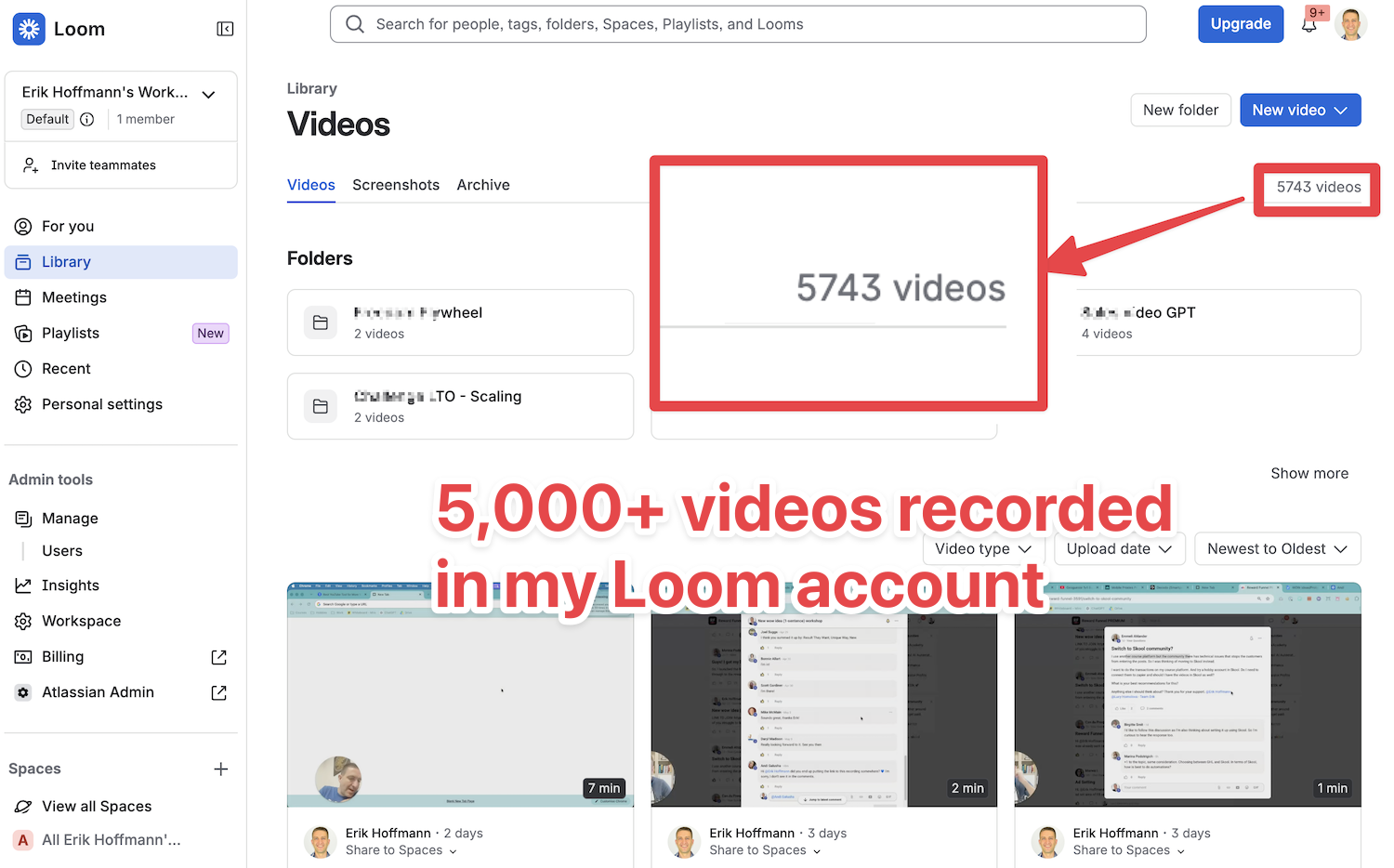
Once I flipped the process, everything changed. I started enjoying creating content, and in one short session, I created 50 reels in a single day.
That's more content in one day than I had managed to create during an entire 30-day challenge before.
If You Do It Wrong
- ❌ You force discipline through PUSH.
- ❌ You have to push yourself to start.
- ❌ 5 minutes feels like 5 hours.
- ❌ The process drains your energy.
- ❌ Eventually, you stop.
If You Do It Right
- ✅ You turn discipline into FUN.
- ✅ You look forward to starting.
- ✅ 5 hours can feel like 5 minutes.
- ✅ The process gives you energy.
- ✅ Eventually, you don't want to stop.
What If You Never Had to Force Yourself Again?
Imagine the thing you currently think you need discipline to do becoming something you actually love doing.
✅ Something you look forward to.
✅ Something you can't wait to start.
✅ Something you don't want to stop.
How far would you go?
How difficult would it really be to learn?
What would you finally achieve if you couldn't wait to start?
And if you’re ready to Gamify Discipline, click the button below.
Frequently Asked Questions
What can I use this for?
Pretty much anything you currently feel you need discipline to do.
You can use it for learning a language, working out, eating healthier, building a business, creating content, studying, writing, practicing a skill, or any other process you keep putting off.
The principle is simple: instead of forcing yourself through the process, you learn how to make the process more enjoyable.
Can I use this for more than one habit?
Yes. That's the whole point.
This isn't a system for one specific habit. You're learning a framework you can apply to anything that requires consistency.
Once you understand how to make something fun, remove friction, and create the right micro challenge, you can apply the same process to something completely different.
Can I use the framework again and again?
Yes.
You can go through the process every time you encounter something that feels difficult, boring, or requires too much discipline.
You can also use different parts of the framework depending on what's currently making the process difficult.
What if I genuinely hate the thing I need to do?
That's exactly what this is for.
You don't have to magically convince yourself to love something.
You'll learn to look at the process differently, find something you can enjoy, and remove the parts creating unnecessary resistance.
The goal isn't to become better at forcing yourself to do something you hate.
The goal is to change the process.
Is this just about making everything "fun"?
Fun is the starting point, but there's more to it.
You'll learn three things:
1. Make It Fun
Find something you genuinely enjoy in the process.
2. Remove Resistance
Remove the friction, pressure, and perfectionism that make the process unpleasant.
3. Add a Micro Challenge
Find the sweet spot between something that's too easy and boring and something that's too difficult and painful.
What if I already have discipline?
Great.
This isn't about becoming more disciplined.
It's about learning how to use discipline differently.
You may already be capable of forcing yourself to do things. The question is whether you can make those things enjoyable enough that you don't have to keep forcing yourself.
Do I still need discipline after this?
The goal isn't necessarily to eliminate discipline from your life completely.
The goal is to make you need much less of it.
When you enjoy the process, your brain naturally wants to return to it. Instead of constantly pushing yourself to start, you can reach the point where you actually look forward to doing it.
What if I keep procrastinating?
That's exactly the situation this framework is designed to address.
Instead of asking:
"How can I force myself to stop procrastinating?"
You'll ask:
"What about this process is making me want to escape?"
Then you work on making the process more enjoyable and removing the friction that's causing resistance.
What if I'm a perfectionist?
That's actually one of the biggest things you'll learn to work with.
Perfectionism can create unnecessary friction and make the process painful.
You'll learn to stop making the perfect result the requirement for continuing and instead focus on enjoying the process, making progress, and taking on the right-sized challenge.
What if something is genuinely difficult?
It doesn't have to become easy.
It needs to become enjoyable enough to keep doing.
That's where the Micro Challenge comes in.
Just like in a video game, a level you've already beaten is boring, while a level that's far beyond your ability is painful.
The sweet spot is the next level.
Can this help me learn a new skill?
Yes.
Learning is one of the core applications.
The framework can be used for things like learning a foreign language, practicing an instrument, studying, learning a new business skill, or developing a physical skill.
The idea is to turn the learning process into something you actually want to keep doing.
Can I use this for fitness or weight loss?
Yes.
For example, instead of forcing yourself to eat food you hate because it's "healthy," you can find healthy food you genuinely enjoy.
Instead of treating exercise as something you have to suffer through, you can look for ways to make the process more enjoyable and create challenges that keep you engaged.
Can I use this for work or my business?
Yes.
You can apply the same principles to work, content creation, writing, building a business, or other activities that require sustained effort.
For example, one of the ways I removed friction from writing was by separating the part I enjoy, thinking and sharing ideas, from the part I don't enjoy, actually writing the text.
Do I have to be naturally motivated for this to work?
No.
The whole point is that you don't have to wait for motivation to magically appear.
You learn how to change the process itself so that there is something inside it that you actually want to engage with.
Is this another productivity system where I have to track everything?
No.
The core idea is actually the opposite.
We play. We don't grind.
The goal isn't to give you another complicated system you have to force yourself to follow.
It's to teach you how to change the experience of doing the thing itself.
What if I lose motivation again?
That's normal.
Instead of assuming you need more willpower, go back through the framework.
Ask:
- Am I still enjoying something about the process?
- Is there unnecessary friction?
- Am I being too perfectionistic?
- Is the challenge too easy?
- Is the challenge too difficult?
Then adjust the process.
How long can I use this framework?
As long as you want.
The framework isn't tied to a specific 30-day or 90-day challenge.
You can use it whenever you start something new, get stuck, lose interest, or find yourself relying too heavily on discipline.
Is this only for people who struggle with discipline?
No.
It's also for people who are already highly driven but are tired of constantly pushing themselves.
You may be capable of achieving things through discipline and still hate the process.
The goal is to help you get the results without having to live in grind mode.
What's the ultimate goal?
To change the question from:
"How do I force myself to do this?"
to:
"How can I make this so much fun that I don't want to stop?"
That's the entire idea behind Gamify Discipline.